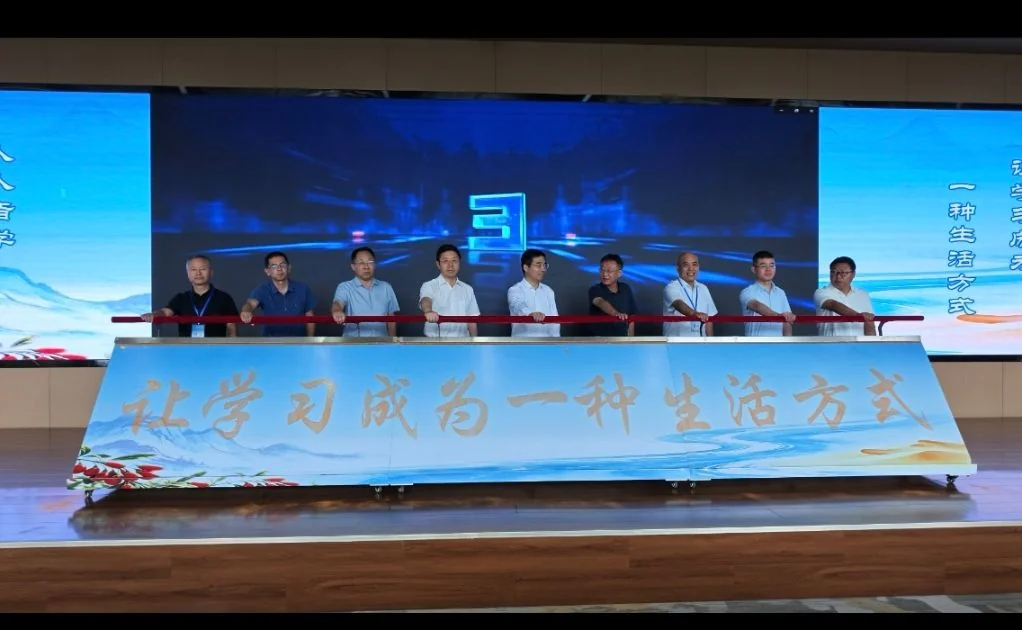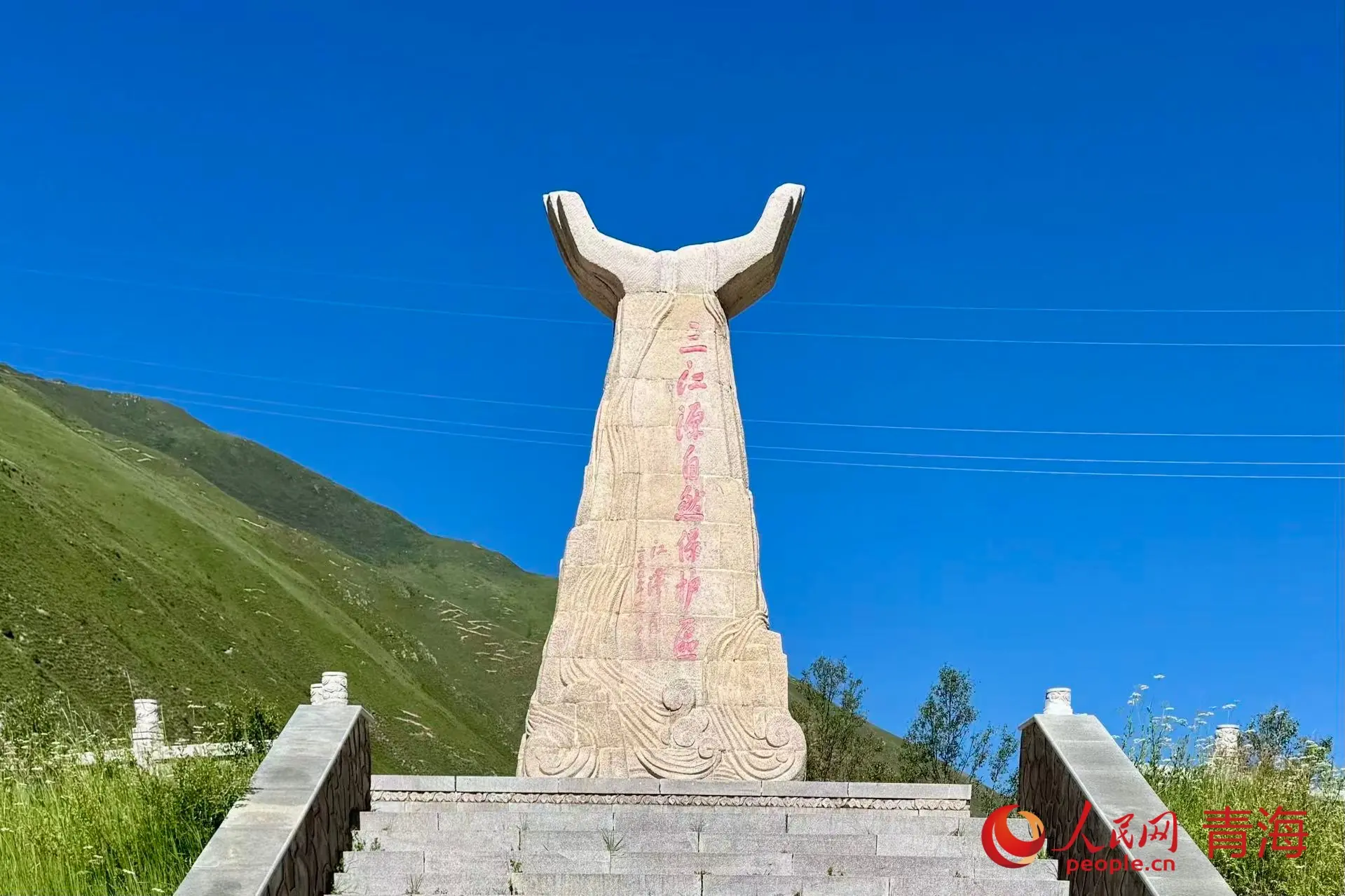
新闻摘要:7月22日,“沿着长江看中国”融媒体报道在青海玉树三江源头启动,作为长江经济带发展战略实施十周年的系列活动之一。此次报道由“学习强国”平台联合沿江各地媒体发起,计划从海拔四千米以上的源头一路向东,全景呈现沿江地区在生态保护与绿色发展上的新实践。
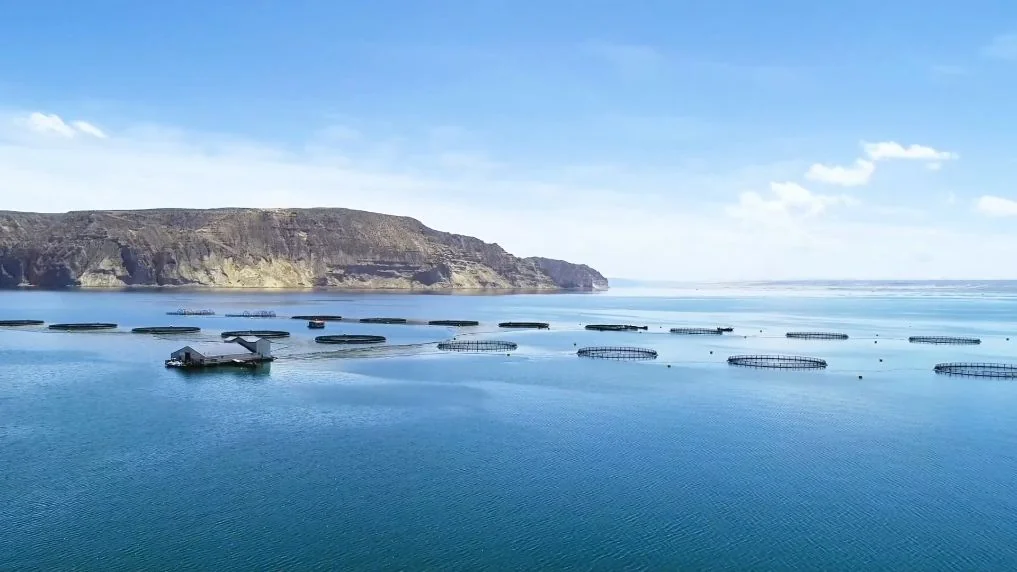
报道中提到,青海已建成三江源国家公园,实施退牧还草、黑土滩治理等工程,通天河出境水质稳定保持Ⅰ类以上;超过十四万名牧民转为生态管护员,将生态屏障建设与文化传承结合,融入长江经济带发展。沿江十一省市媒体将围绕生态长江、文明长江、奋进长江、幸福长江四个维度记录这一条水道的变迁与人民的守护。
思考与启发:新闻里的细节提醒我们,保护水土不是抽象口号,而是靠一天天的劳动与守望。无论是牧民成为管护员,还是兄弟省市在座谈中说“君住江头,我住江尾”,都在用行动把公共资源当作共同的责任来对待。
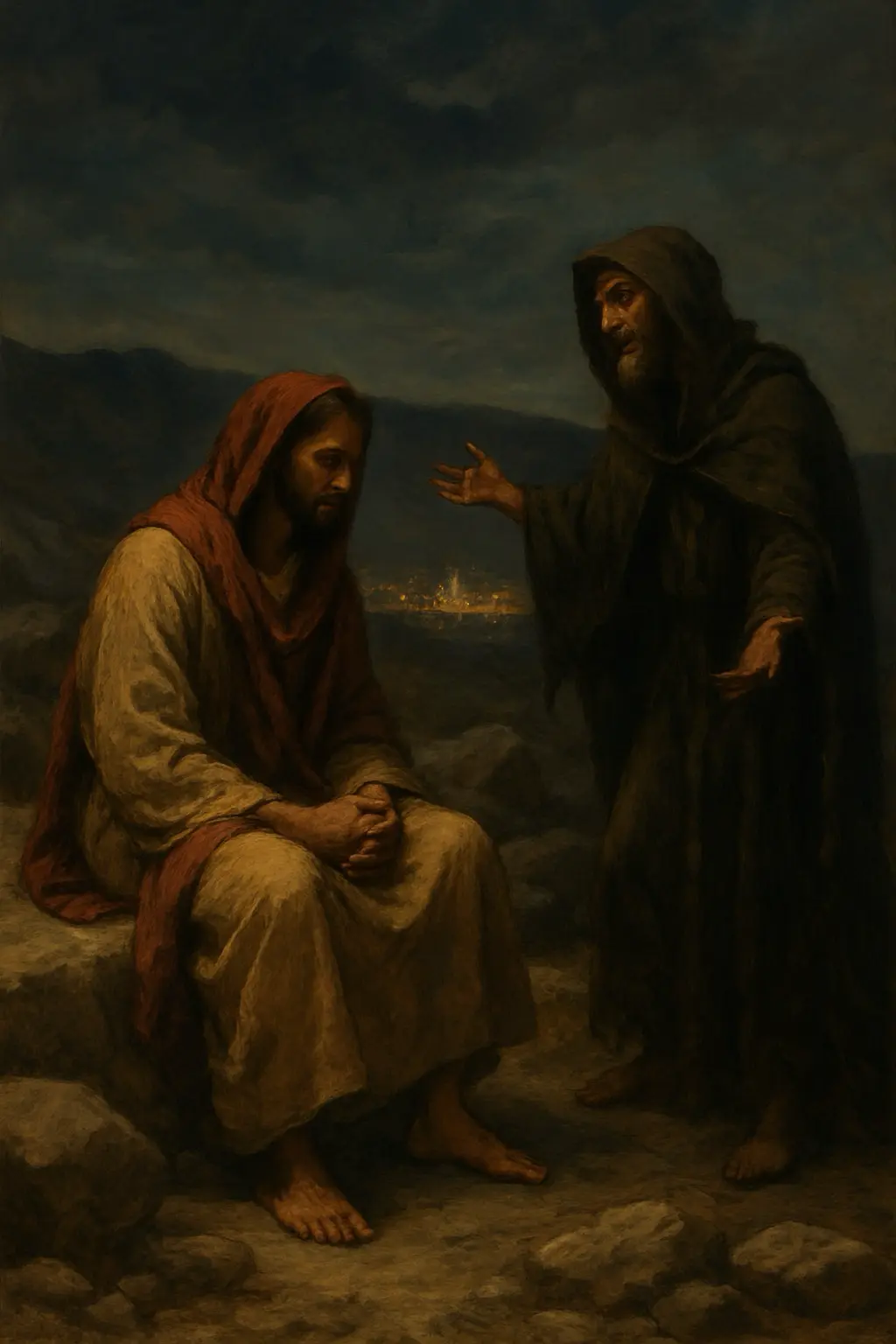
这与天经的一条根本真理相呼应:人应当善用并守护所托之物。把保护自然当作日常的一部分,就是对未来的诚实与勤劳,也是对邻里的负责。
经文:主将那人安置在伊甸园,使他修理看守。——《讨拉特·创世记 2:15》 链接:(📖 查看经文)
### English Translation
Title: Protecting the Headwaters of the Three Rivers
News Summary:
On July 22, the “Seeing China Along the Yangtze” integrated media report was launched at the source of the Three Rivers in Yushu, Qinghai. This event is part of a series of activities marking the 10‑year anniversary of the Yangtze Economic Belt development strategy. The report, organized by the “Study Strong Nation” platform together with media from the Yangtze region, will travel eastward from the source at over 4,000 m elevation, offering a panoramic view of new practices in ecological protection and green development along the river.
The report notes that Qinghai has completed the Three‑River‑Source National Park and has carried out projects such as grazing‑to‑grassland restoration and black‑soil‑shore remediation. The water quality of the Tongtian River at its exit remains stable at Class I or better. More than 140,000 herders have become ecological guardians, linking the building of ecological buffers with cultural inheritance and integrating these efforts into the Yangtze Economic Belt. Media from the eleven provinces and municipalities along the river will record the river’s changes and the people’s stewardship under four themes: Ecological Yangtze, Civilized Yangtze, Progressive Yangtze, and Happy Yangtze.
Reflection and Insight:
The details in the news remind us that protecting land and water is not an abstract slogan; it is a daily task of labor and vigilance. Whether it is herders becoming guardians or neighboring provinces saying “You live at the river’s head, I live at its tail” in discussions, they are treating public resources as a shared responsibility through concrete actions.
This echoes a fundamental biblical truth: people are called to wisely use and guard what has been entrusted to them. Making stewardship of nature part of everyday life is an honest and diligent preparation for the future, and it is also a caring duty toward our neighbors.
Scripture: “The Lord placed the man in the Garden of Eden to work it and keep it.” — Genesis 2:15
Link: https://www.huizu-tianjing.icu/taolate/chuangshiji/2
来源:http://qh.people.com.cn/n2/2026/0723/c378418-41647812.html